
2026-10-18 ·
Choosing Roofing Materials for Snow, Ice, and Wind in Flint, MI
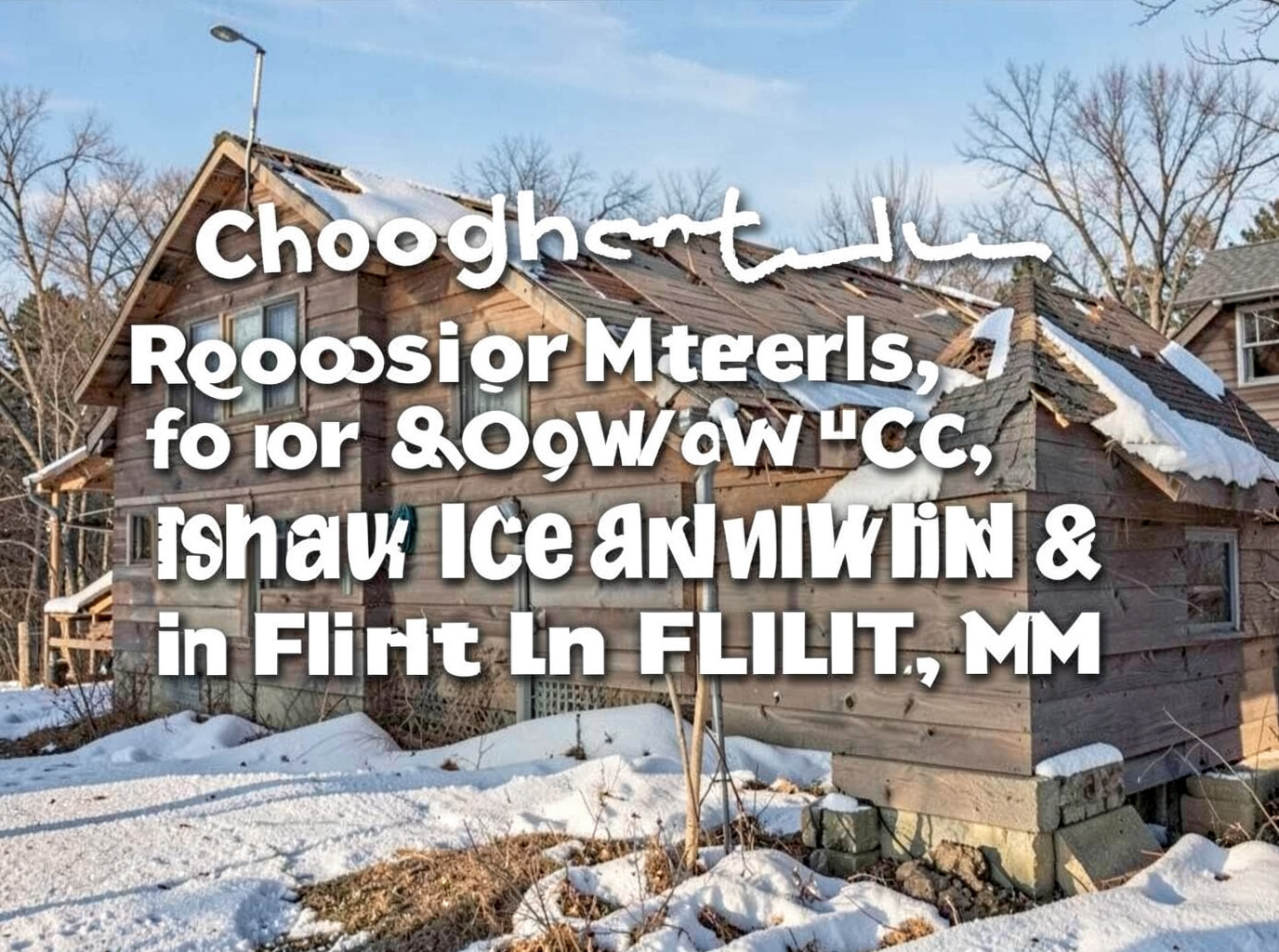
Metal panels and impact-rated asphalt shingles stand up best to the snow loads, ice dams, and wind gusts that hit Flint homes each winter. These options reduce leaks in neighborhoods such as Carriage Town and Eastside where many houses date to the early 1900s and carry steeper roof pitches that catch drifting snow from nearby Lake Huron.
Asphalt Shingles for Ice and Wind
Three-tab and architectural shingles rated for high wind perform reliably when paired with ice-and-water shield along eaves and valleys. In Flint, where temperatures swing from below zero to above freezing within days, the shield prevents meltwater from backing up under the shingles. Homeowners in North Flint and Woodcroft often see ice dams form along north-facing eaves; the membrane stops that water from reaching the deck. Wind clips or six-nail fastening patterns add resistance against gusts that sweep across open lots near Riverbank Park. Expect these shingles to last 20–30 years when ventilation keeps attic temperatures even. Proper ridge vents and soffit intake keep moisture from condensing under the deck during the cold months.
Metal Roofing Panels in Genesee County Winters
Standing-seam steel or aluminum panels shed snow quickly because of their smooth surface and steep slope compatibility. In Downtown Flint and around the Flint Cultural Center, metal roofs handle the 30–50 lb per square foot snow loads that accumulate on flatter older roofs. The panels also resist uplift from straight-line winds that move through the Saginaw Valley corridor. Thermal expansion clips allow the metal to move without loosening fasteners during the warm summers that follow heavy snow seasons. Homeowners near Sloan Museum report fewer leaks after switching from worn shingles to metal, especially on homes exposed to prevailing westerly winds. Panels carry 30–50 year warranties against corrosion when installed over existing decks with the correct underlayment.
Underlayment and Ventilation Choices
Synthetic underlayment with high tear strength outperforms felt when crews work on roofs in Lapeer or Saginaw during sudden lake-effect storms. It stays flat under wind and does not absorb moisture that later freezes. Pair the underlayment with balanced ventilation to stop ice dams before they start; ridge and soffit vents move air even when snow blankets the roof. In Carriage Town, where many attics were never vented properly, adding these vents often solves recurring leak calls after the first thaw. Readers dealing with repeated ice problems can review detailed prevention steps in the article on ice dams and winter roof leaks.
When to Consider Replacement Over Repair
If existing shingles show widespread granule loss or multiple layers already sit on the deck, full replacement with wind-rated materials prevents ongoing damage from Genesee County winters. Crews serving East Flint and Mott Park routinely find that older three-tab shingles fail first at the eaves where ice dams form. Switching to architectural shingles or metal during replacement also improves wind resistance on exposed ridges. Homeowners in Burton or Grand Blanc who face repeated wind damage can explore targeted repair options before committing to a full roof change. Proper material choice now reduces emergency calls during the next heavy snow event.